What Wisconsin Needs Going Into the Midterms
My opinion

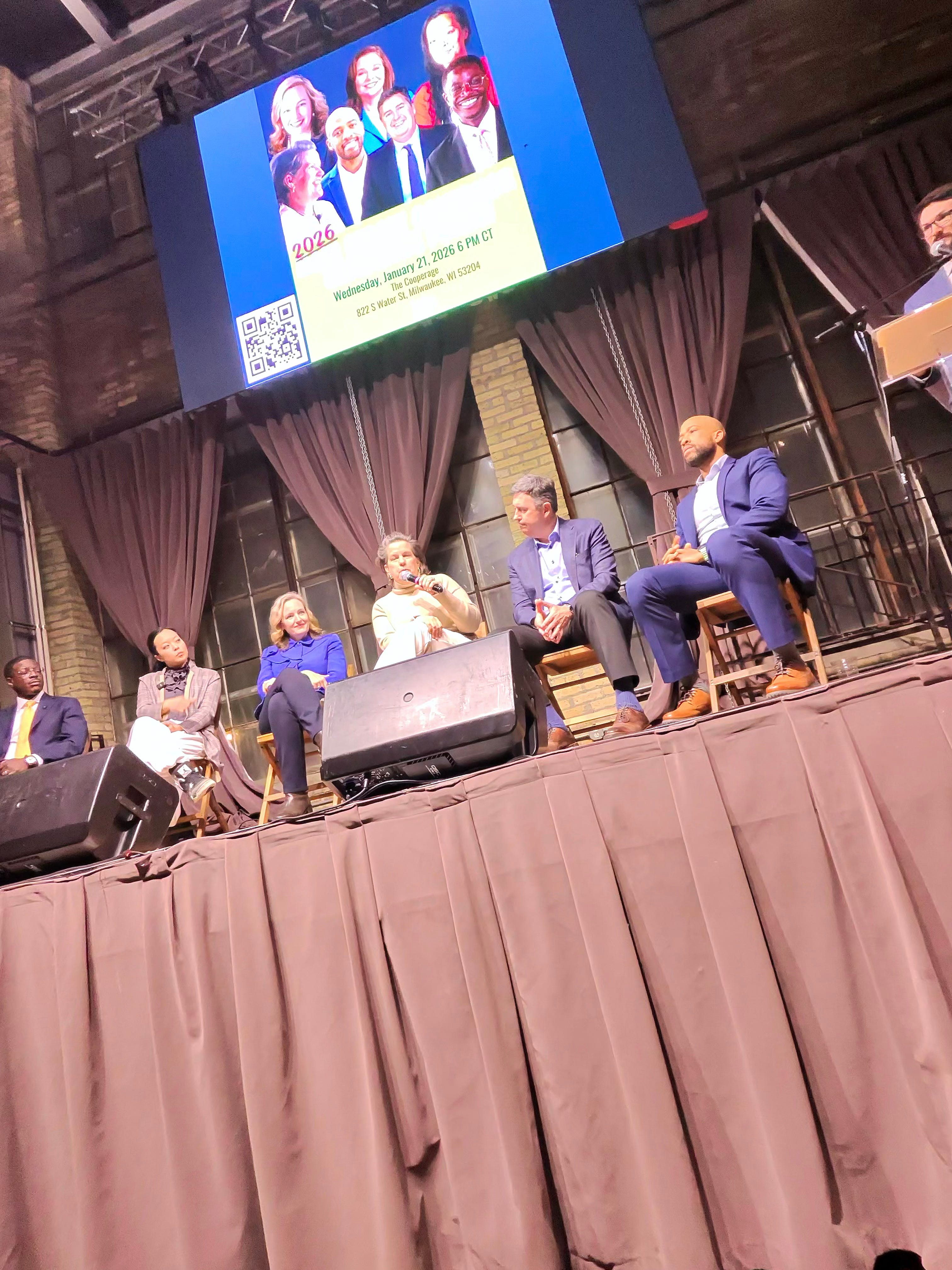
I was at the gubernatorial debate on Wednesday at the Cooperage in Milwaukee. I went in with an open mind and here are some of my thoughts.
Wisconsin doesn’t need louder politics. We need more functional ones that actually work for the people on the ground.
I’m a small business owner. I employ people. My wife and I have made a home here. I cook for a living. I am the biggest cheerleader of the state I call home, but I am one of many people who are tired of paying more and getting less, and where common-sense solutions keep getting stuck behind ideology.
Here’s what I think Wisconsin needs going into the midterms.
Access to affordable healthcare.
Healthcare should not be a luxury item or a competitive disadvantage for small businesses. If you work full time, run a business, or are self-employed, you shouldn’t have to choose between coverage and survival. We need systems that let small employers compete for talent without being crushed by insurance costs—and that means protecting and expanding access, not rolling it back.
Affordable, accessible childcare.
You can’t say you support working families and then make it impossible for parents to work. Childcare is infrastructure. Full stop. If people can’t afford safe, reliable childcare, they leave the workforce—or never enter it at all. That hurts families, businesses, and the economy. I say this even though we do not have kids.
Fair taxation between small businesses and massive multi-state corporations.
Local businesses are not asking for handouts. We’re asking for fairness. When huge companies use loopholes to avoid paying their share, the burden shifts to the rest of us. Wisconsin should reward people who invest locally, hire locally, and stay rooted in their communities—not just those with the best accountants.
Regional Transportation Authority
This is a future-focused investment for Wisconsin because transportation is economic infrastructure, not a luxury. When workers can’t reliably get to jobs, when students can’t access schools, and when seniors are isolated because driving isn’t an option, the entire region loses. A well-designed RTA connects cities, suburbs, and rural communities, reduces congestion, supports local businesses, and gives people real choices beyond owning a car. It helps employers hire from a broader workforce, lowers household transportation costs, and makes regions more attractive to talent and investment. Bottom line: better regional transit keeps people moving, keeps dollars local, and makes Wisconsin more competitive without leaving anyone behind..
Better, more accessible education.
We used to be known as the education state. From K-12 to technical schools to higher education, Wisconsin should be making it easier—not harder—to learn, retrain, and build a career here. Education is economic development. If we want people to stay, we have to give them a reason to grow.
Legalizing recreational marijuana and decriminalizing it.
This one is simple. Legalize it. Regulate it. Tax it.
Free up resources in the criminal justice system so police and courts can focus on real public safety. Use the tax revenue from marijuana sales to fund healthcare, childcare, education, and community infrastructure. We’re already surrounded by states doing this successfully. Pretending it doesn’t exist isn’t leadership—it’s avoidance.
Wisconsin doesn’t need extreme answers. We need practical ones.
Ones rooted in dignity, fairness, and the reality of how people actually live and work.
That’s what I’ll be looking for in the midterms.